


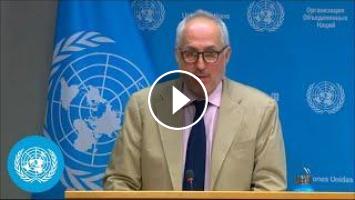
The United Nations Spokesperson’s briefing presents coordinated humanitarian and peacekeeping efforts in active conflict zones. UNIFIL facilitated aid convoys into southern Lebanon. Partners delivered shelter materials in Gaza. The Secretary-General expressed concern over the health of imprisoned Iranian activist Narges Mohammadi. Cross-border aid operations in Syria concluded as commercial routes improved.
These updates describe immediate responses but do not address why needs persist years into crises. Ceasefires extend yet remain fragile. Aid appeals stay underfunded. Access restrictions by state actors limit scale. The briefing lists actions without examining the structural gaps between declared norms (humanitarian principles, protection of civilians and peacekeepers) and delivery on the ground.
State actors (Israel, Iran, local authorities) control movement, borders, and material entry. UN agencies depend on their cooperation for access. Peacekeepers face direct interference (blocked roads, fire on positions) yet operate under mandates that prioritize presence over enforcement. Funding comes from donor states, who set priorities. Vulnerable populations and field workers bear the operational friction. The mechanism funnels decisions through sovereign consent and voluntary contributions.
- Southern Lebanon: 13 killed (including children and women), new displacements, over 124,000 in collective shelters, homes destroyed or inaccessible. Flash appeal funded at only 38% ($117 million of $308 million).
- Gaza: Thousands of amputees (one in five children), severe shortages of prosthetic specialists (only eight available) and materials, skin diseases from poor conditions, delayed reconstruction six months post-ceasefire.
- Iran: Deteriorating health of a Nobel laureate in detention amid reported prison overcrowding, food and medicine shortages.
Sovereign states retain primary responsibility for security and access. UN mandates derive from member-state consensus and operate with limited leverage. Full enforcement risks escalation or withdrawal of consent. Partial access still enables some aid delivery where none would occur. The strongest counter-view holds that incremental gains and sustained presence prevent worse outcomes, even if they fall short of declared standards.
A decent response starts with transparent accounting of access denials and funding shortfalls, paired with consistent pressure for unimpeded humanitarian corridors and protection of civilians and peacekeepers. The smallest first step is to track and publish monthly metrics on denied movements, underfunded appeals, and unmet medical needs so patterns become undeniable.
Sources
- UN Daily Press Briefing Highlights, 4 May 2026: https://www.un.org/sg/en/content/noon-briefing-highlight?date=2026-05-04
- UN General Assembly Resolution 70/1, Transforming our world: the 2030 Agenda for Sustainable Development (adopted 25 September 2015): https://sdgs.un.org/2030agenda (and attached PDFs including A/RES/70/1).
Full Highlights: https://www.un.org/sg/en/content/noon-briefing-highlight?date=2026-05-04

Up Next
-
23:58

Lebanon, Palestine, UN80 & other topics - Daily Press Briefing (24 April 2026) | United Nations
-
17:46
Palestine, LebanonIsrael & other topics - Daily Press Briefing | United Nations
-
24:27
Ukraine, Palestine, Lebanon & other topics - Daily Press Briefing (14 Nov 2025) | United Nations
-
26:11
Lebanon/Israel, Sudan & other topics - Daily Press Briefing (14 June 2024) | United Nations
-
Lebanon, Peacekeeping & other topics - Daily Press Briefing (17 June 2026) | United Nations
-
26:19
Venezuela, Sudan, Lebanon/Israel & other topics - Daily Press Briefing (6 Jan 2026) | United Nations
-
27:17
Lebanon, UAE, Sudan & other topics - Daily Press Briefing (5 May 2026) | United Nations
-
26:43
Cop30, Palestine, Lebanon & other topics - Daily Press Briefing (17 Nov 2025) | United Nations
-
31:24
Palestine, Lebanon & other topics - Daily Press Briefing | United Nations
-
26:56
Palestine, Lebanon, Ukraine & other topics - Daily Press Briefing | United Nations
-
00:16

How to Implement Stoicism in Self Care
-
02:08
Unleashing Your Potential The Power of Self-Development
-
01:00

Prioritize You: Mental Health and Self-Care
-
03:00

Personal Development vs Magical Growth | #magic #occult
-
00:16
Perpetual Self-Improvement #personalgrowth #selfgrowth #continuouslearning #personaldevelopment
-
00:07

How to Use Personal Development to Improve Your Life #personaldevelopment #businessowner #growth
-
00:11
Personal Development | Motivational Facts #131
-
16:31

Building Confidence & Self Esteem as An Introvert || Personal Development
-
00:14

Jim Rohn - Income does not far exceed personal development
-
01:19

Andy Britnell Personal Development Videos - putting on a successful presentation
 Loading...